Increase
revenues by creating a compelling value proposition
In
our practice, we use the same behavioral principles to shape customer
behavior that we do to shape employee performance. We have found the
best way to create a compelling value proposition is by extreme focus
on the customer and how the customer is impacted by the product or
service offering and marketing communications. We consider how every
point of contact and source of impressions will impact the knowledge,
feelings and actions of that customer.
|
Branding,
identity and positioning
Clear thinking about branding, identity
and positioning can help companies create a clearer market
position and increase brand value. Branding is all about creating
feeling and belief in customers. And feeling and belief again
falls in the realm of behavior. By asking how clients want
customers to feel, by modeling the actions they want customers
to take, we can most effectively build the brand and the supporting
communications programs. (For more on this topic, see the
first page of our Communications
Audit process.) |

Web site
with new brand treatment. Click on image to see larger version..
|
Creating and communicating a brand identity requires method: Communications
assessment and strategies
|
Brand
development can be a very unfocused activity. That's why we've
developed tools to guide clients quickly to effective conclusions.
Behavioral description of desired customer behaviors is part
of it. Clear work processes are another. We developed our
Repertoire™ Enterprise Communications Audit to provide
guidance. It leads executives through team selection, objective
development, audience identification, quality development
and other important tasks. |
 Click
image to see a sample page of the ENTERPRISE COMMUNICATIONS
AUDIT. Click
image to see a sample page of the ENTERPRISE COMMUNICATIONS
AUDIT. |
Enabling
employees to execute the company's program
Consistently
executing brand communications across an enterprise can be challenging.
We've developed on line marketing and identity guides to help
companies make all the information employees need available
when then need it and in convenient form. |
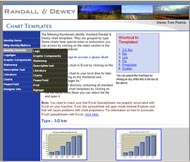
On
line MARKETING GUIDE. Click on the image to see a larger version.
|
Marketing
collateral
Each piece of marketing collateral should
be explicitly defined as a part of a communications/marketing plan.
That plan models each step on the pathway that leads from customers
from initial awareness of your brand and product or service to purchase.
Each step provides new information, incentives and impressions to
lead the customer to the buying action that step is intended to
produce. The needed information, incentives and impressions —
plus branding standards — define the content, format and effect
of each communications piece very precisely.

Representative
literature SUITE featuring sales literature. Click on the image
to see a larger version. |

Representative
proposal SUITE . Click on the image to see a larger version.
|
Employee
Communications
Employee communications are one of the most
overlooked tools in a company's performance improvement repertoire.
We've found that planned, programmed communications significantly
help improve performance.
Communications is particularly important for project roll outs.
Comprehensive communications can provide a road map for employees
and shape their beliefs about a program. They can also help employees
identify the tasks they must perform and prepare for them.
| 
A
POSTER used to help employees prepare for roll out of a skills
program.
|
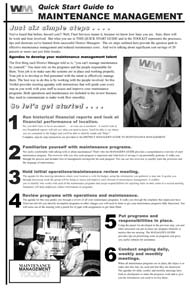
A
QUICK START GUIDE, typical of the communications used to promote
successful program roll out. Click on the image to see a larger
version. |
Executive communications and presentation support
Helping
executive with their special communications needs is part of our
work. They often initiate critical initiatives and their words and
support must be carefully chosen and consistent with company branding.
They often must speak on short notice. And they sometimes must communicate
in a crisis.
We've
helped executives communicate with the boardroom, shareholders and
analysist customers and employees. Preparation is the key. With
planned, programmed communications programs, there are no emergency
communications. Prepared positions and rehearsal provide a basis
for fast turn around on situation specific communications. Coaching
helps prepare executives as well. One example is crisis communications
training we've helped develop for clients.
In
all cases, thoughtfulness about the actions executives wish to evoke
create the best presentation. |
